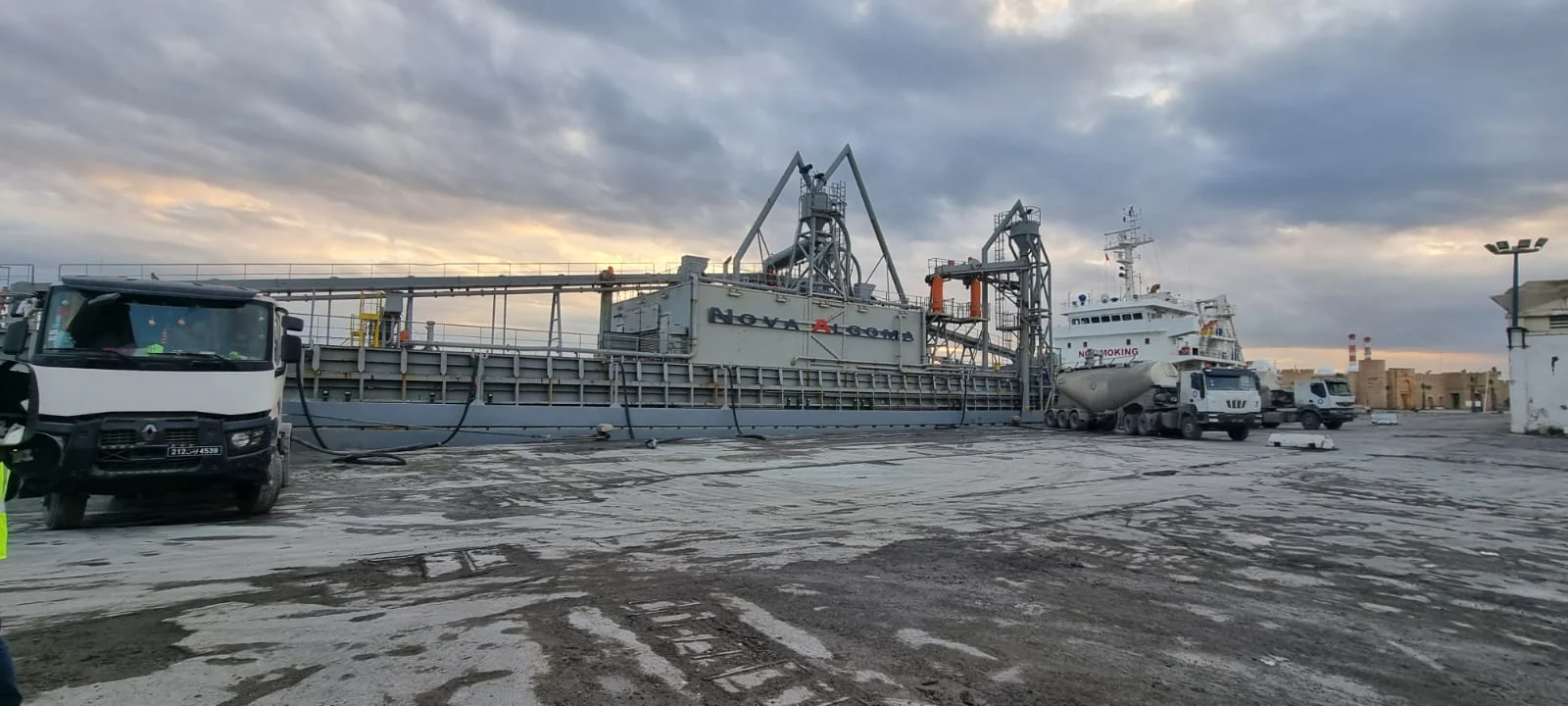
Importing into the Central African Republic from Tunisia: transit via Douala and documents for Bangui
The Central African Republic has no coastline: goods from Tunisia are discharged at the port of Douala, in Cameroon, then travel on to Bangui by road. MWB TRADING has shipped to the Central African Republic since 2021, from Radès (Tunis) and Sfax, through the port of Douala: waterproofing products, ceramic tiles, electrical equipment, PVC pipes, tile adhesive and lime.
This guide sets out the verified points for importing into the Central African Republic: the Douala–Bangui corridor, the electronic cargo tracking note (BESC) required for Bangui, the suspension of Cameroon’s BESC for transit cargo, the certificate of conformity required on arrival and the CEMAC rules. Public reports from 2022 to 2026 show our loads, including a grouped load combining a transformer, cables and PVC pipes in December 2023.
DERBIGUM waterproofing · Bangui, Central African Republic · 2026Key facts for importing from Tunisia
Douala–Bangui corridor
over 1,400 km of road, carrying more than 80% of the Central African Republic’s external trade
Central African BESC
required for sea freight bound for Bangui, even when discharged at Douala; to be validated before the vessel arrives
Cameroon BESC suspended
for goods in transit to Bangui, since the statement of 15 June 2026 and until further notice
Certificate of conformity
shown to customs on arrival since March 2021; programme renewed in 2026 for five years
Radès · Sfax
departure ports of our shipments to the Central African Republic
Since 2021
we have shipped to Bangui through the port of Douala, marked “in transit to Bangui” on the bill of lading
Sources: World Bank (12 June 2026) for the corridor; Cameroon National Shippers’ Council statement of 15 June 2026, reported by Cameroon Tribune, for the transit BESC; programme of the Central African Ministry of Commerce and Industry, according to ACCIO (March 2021) and SGS (June 2026), for the certificate of conformity; US International Trade Administration (April 2026) for the CEMAC tariff and transit through Cameroon; Maersk and specialist guides for the Central African BESC; our export declarations and bills of lading, 2021 to March 2026. Checked in October 2026; to be confirmed with your freight forwarder before each shipment.
PRODUCT RANGES
The ranges we ship to the Central African Republic
MWB TRADING has shipped to the Central African Republic since 2021, from Radès (Tunis) and Sfax, through the port of Douala. These product families appear in our loads for Bangui; the catalogue pages detail the available references.
Waterproofing membranes and products
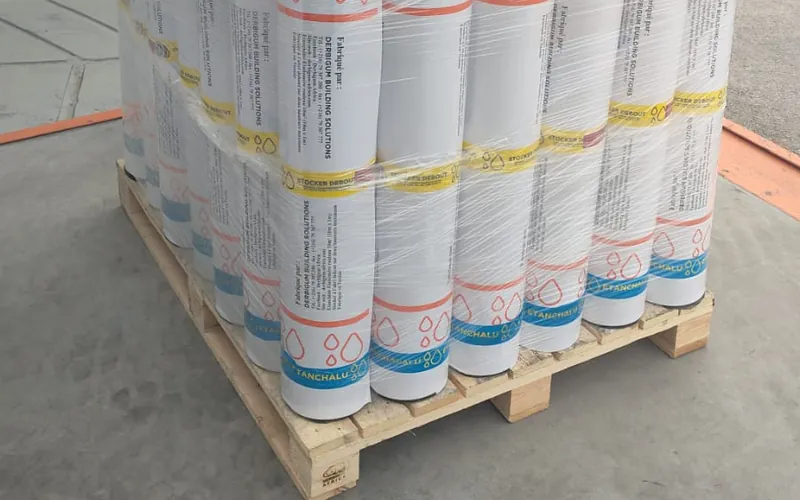
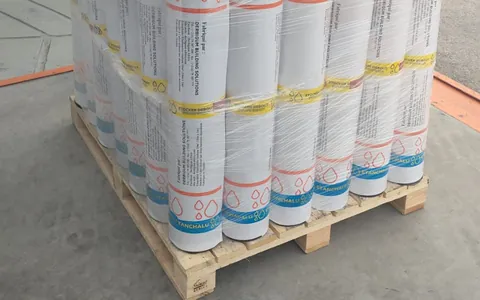
Bitumen membranes in rolls, including the DERBIGUM TUNIGRAIN and Pax Alu 30 references, and bitumen emulsion, shipped in March 2026; membranes in 10 m² rolls had already left for Bangui in 2021.
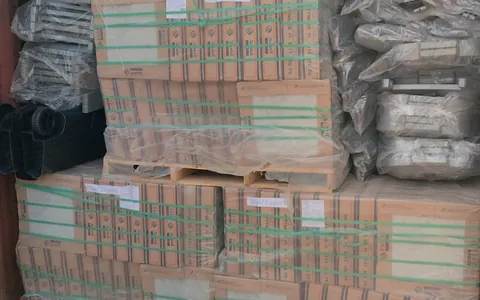
Ceramic tiles in 25 × 40 and 40 × 40 cm formats, in several references, shipped in 20-foot containers in November 2022, with plastic bins in the same load.
A 400 kVA transformer (15 kV / 410 V) and rigid and flexible cables in rolls, with 2, 3 or 4 conductors of 1.5 to 4 mm², in December 2023; 20 and 25 mm conduit in 100-metre rolls in 2021.
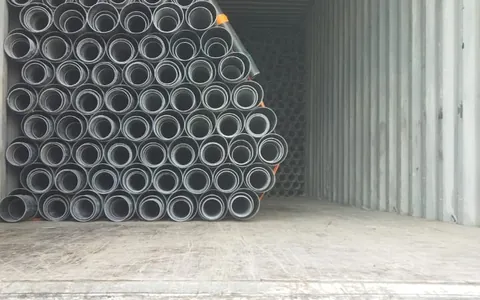
PVC pipes from 100 to 160 mm in diameter and 3 mm thick, in 5.7-metre lengths, loaded in December 2023 in the same container as the transformer and cables.
The ranges we also offer for the Central African Republic
These ranges do not yet appear in our loads for Bangui. They complement the products we already deliver there and can travel in the same containers; the catalogue pages detail the references.
LV wiring devices and switchboards
Switches, sockets, distribution boards and protection devices, to complete the cables and conduit of an installation in the same load.
LED lamps, luminaires and street lights for buildings, sites and roads, with the technical data sheet of each model, useful for the certificate of conformity.
Our shipments to the Central African Republic leave from Radès (Tunis) or Sfax and are discharged at the port of Douala, in Cameroon, marked “in transit to Bangui” on the bill of lading. They reach Bangui along the Douala–Bangui road corridor, over 1,400 km long, which carries more than 80% of the Central African Republic’s external trade. In Cameroon, transit goods remain under customs control, with a duty guarantee and GPS tracking until they leave the country. Another transit port can be assessed on request.
Import documents
The Central African Republic requires an electronic cargo tracking note (BESC) for sea freight bound for Bangui, even when discharged at Douala: it is requested at the port of loading, in Tunisia, and must be validated before the vessel arrives. Since a statement of 15 June 2026, the Cameroon National Shippers’ Council no longer requires, until further notice, its own BESC for goods in transit to Bangui. The commercial invoice, packing list, certificate of origin and certificate of conformity complete the file.
Inspection and conformity
Since 1 March 2021, the Central African Ministry of Commerce and Industry has required imported goods to go through a conformity verification programme; renewed in March 2026 for five years, it covers chapters 2 to 99 of the Harmonized System. The certificate of conformity, issued after verification by the appointed body (SGS), is shown to customs on arrival. Without it, clearance is blocked and fines apply; non-compliant goods may be re-exported or destroyed at the importer’s expense. Several of our shipments to Bangui went through a pre-shipment inspection.
Loading formats
20-foot containers for heavy goods: tile adhesive, lime, tiles and waterproofing membranes. 45-foot High Cube containers for bulkier goods: transformers, cables and PVC pipes. Some shipping lines do not accept 45-foot containers for Bangui: the format is confirmed at booking.
Transit times
According to the World Bank, carriage between Douala and Bangui takes 9 to 12 days under normal conditions. The rainy season, from April to September, can lengthen journey times on the road.
Availability, transport, lead times and documents are confirmed in each offer.
YOUR ENQUIRY FOR THE CENTRAL AFRICAN REPUBLIC
Let’s prepare your next load for Bangui.
State your products, quantities and delivery location. The Central African Republic is already selected; you can change it.
Your questions about importing into the Central African Republic from Tunisia
Which port do your shipments to the Central African Republic use?
The port of Douala, in Cameroon: our shipments are discharged there marked “in transit to Bangui” on the bill of lading, then continue to Bangui by road. Another transit port can be assessed on request.
Which cargo tracking note is needed for Bangui?
The Central African BESC, required for sea freight bound for the Central African Republic, even when discharged at Douala; it must be validated before the vessel arrives. Since June 2026, Cameroon no longer requires, until further notice, its own BESC for goods in transit to Bangui. Your freight forwarder confirms the current procedure.
Is a certificate of conformity required?
Yes. Since March 2021, goods imported into the Central African Republic must be covered by a certificate of conformity, shown to customs on arrival; the programme was renewed in 2026. Several of our shipments to Bangui went through a pre-shipment inspection: allow for it in your order schedule.
Who arranges transport between Douala and Bangui?
In our documented operations, the sale ends at the port of Douala (CFR or CIF) and onward carriage to Bangui is arranged by the buyer or their freight forwarder. If you want the offer to include it, say so: feasibility and pricing are assessed separately.
Can you combine several products in one container?
Yes. In December 2023, a transformer, cables and PVC pipes travelled in the same High Cube container; in November 2022, plastic bins travelled with the tiles. List all the product families in your order.
Which duties apply on arrival?
The Central African Republic and Cameroon belong to CEMAC: goods from Tunisia pay the customs union’s common external tariff, in four bands from 5 to 30%, plus VAT and other taxes. Your freight forwarder calculates the duties from each product’s tariff heading.