Films and adhesive tapes
Polyethylene films and self-adhesive tapes, found in most of our loads for Tripoli from 2021 to 2023.
Plastic packagingMWB TRADING has been shipping materials and packaging for the manufacture of hygiene products to Tripoli since 2021, by road and by sea: polyethylene films, adhesive tapes, adhesives, paperboard discs, printing inks and superabsorbent polymer; plastic hygiene dispensers have also been shipped. Our lorries exit Tunisia through the Ben Gardane customs office, and our containers leave the port of Sousse for the port of Tripoli.
This guide sets out the verified points for importing into Libya from Tunisia: the Ras Jedir road crossing, ACI pre-registration of sea cargo, payment for imports through official banking channels, origin documents, and what to state in your enquiry.
Sources: Libyan customs (ACI service and July 2024 guide; statement of 10 September 2026 on imports through official banking operations; ASYCUDA system); shipping line notices and Germany Trade & Invest, November 2024 (mandatory ACI postponed); La Presse de Tunisie (Ras Jedir reopening, July 2024); World Food Programme Logistics Cluster (clearance documents); our export declarations, exit visas and bills of lading, 2021 to 2023. Checked in October 2026; to be confirmed with your freight forwarder before each shipment.
MWB TRADING has been shipping these product families to Tripoli since 2021, by road through Ben Gardane and by sea from Sousse. The catalogue pages detail the available references.
Polyethylene films and self-adhesive tapes, found in most of our loads for Tripoli from 2021 to 2023.
Plastic packagingClosing and production adhesives, shipped by road as well as in containers.
Paperboard discs and cut board articles, loaded with the films and adhesives.
Industrial packagingPrinting inks in small quantities, found in most of our shipments.
Plastic soap, hand-towel and toilet-paper dispensers, shipped by road in September 2022.
Beyond materials for hygiene products, these construction, electrical and finishing ranges are available from Tunisia for delivery to Libya, by road or in containers. The catalogue pages detail the references.
Low and medium-voltage power cables, control cables and building wires, on drums or in coils. State the cross-sections, standards and lengths you require in your enquiry.
Electrical cables Power and control cables Building wires and cablesDiesel generator sets, open or soundproofed, for construction sites, shops and industrial sites. State the power rating, voltage and intended use, standby or continuous.
Generator setsPVC pressure and drainage pipes, PPR pipes and fittings for hot and cold water, HDPE pipes in straight lengths or coils, with their fittings.
PVC pipes and fittings PPR pipes and fittings HDPE pipes and fittingsFloor and wall tiles, sanitaryware and taps for building projects and distribution, on pallets. State the formats, finishes and quantities for each reference.
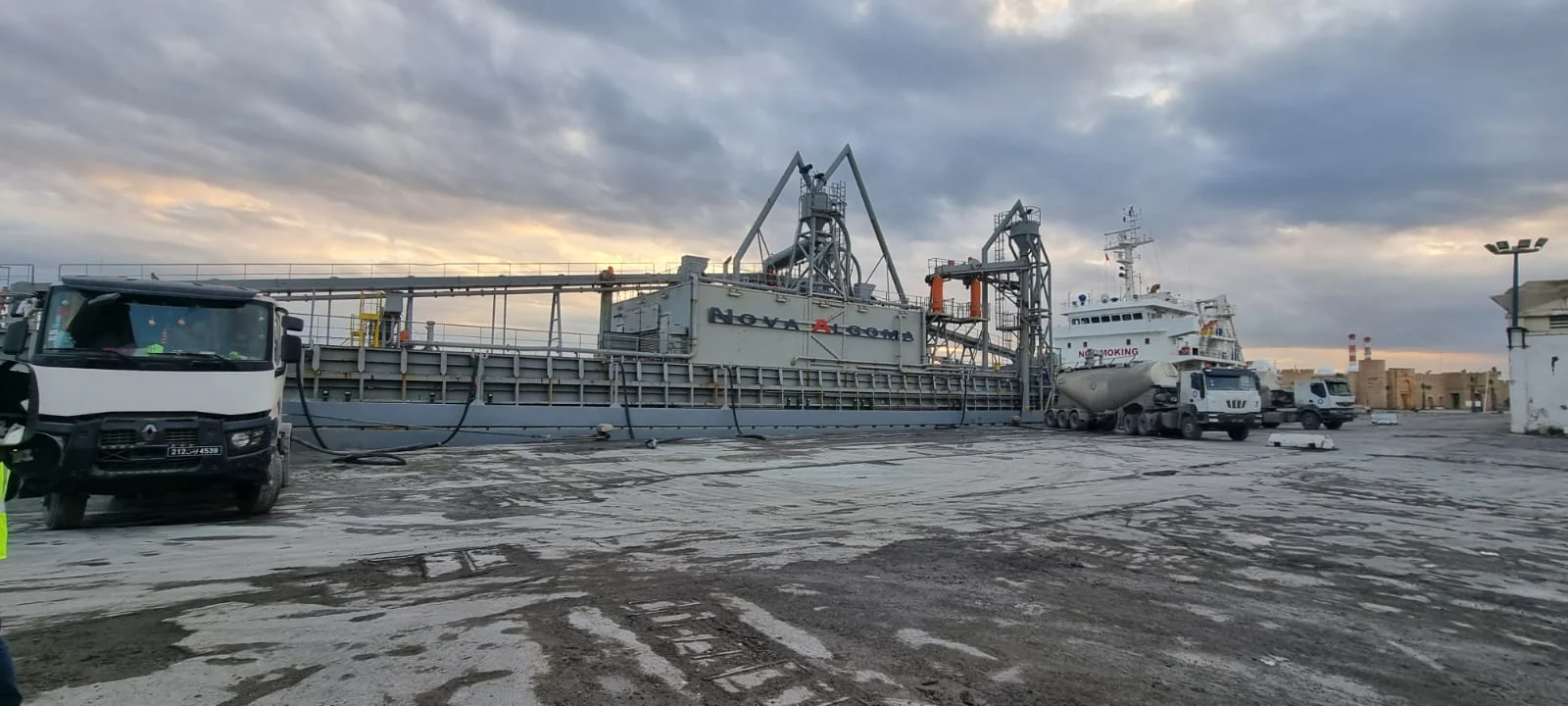
Floor and wall tiles Taps and sanitaryware Taps and valvesBy road, our lorries exit Tunisia through the Ben Gardane customs office, on the road to the Ras Jedir border crossing, then continue to Tripoli; each lorry receives its own customs exit visa. In our road shipments, the goods were handed over in Tunisia to lorries sent from Libya. By sea, our containers leave the port of Sousse for the port of Tripoli.
The clearance file brings together the commercial invoice, the packing list, the certificate of origin certified by a chamber of commerce and the transport document, consignment note or bill of lading; the importer states whether the documents must be legalised. The declaration is processed in ASYCUDA, the Libyan customs IT system. In September 2026, customs began sending all its offices the instructions for the decision that governs imports through official banking operations: payment goes through the importer’s bank.
For sea freight, Libyan customs have introduced ACI, a pre-registration of cargo before loading: the exporter and the importer register, and the ACI number is shown on the bill of lading. In a pilot phase since July 2024, its move to a mandatory requirement was postponed in November 2024: check its status with your freight forwarder when booking. At the Ras Jedir crossing, Libyan customs have carried out stepped-up anti-smuggling inspections since 2025.
Palletised goods. By sea, our loads left in 20-foot containers for small lots and 40-foot High Cube containers for larger ones; by road, by lorry.
Products and references, quantities, road or sea transport, delivery city in Libya, documents requested by the importer and their bank.
Availability, transport, lead times and documents are confirmed in each offer.
State your products, quantities and delivery city. Libya is already selected; you can change it.
Chat on WhatsAppBoth. By road, our lorries exit Tunisia through the Ben Gardane customs office; by sea, our containers leave Sousse for the port of Tripoli.
The crossing can be interrupted: in 2024, it stayed closed from March to July, and trade was diverted to the Dhehiba crossing. The sea route from Sousse to Tripoli, which we also use, remains an option. Your freight forwarder confirms the status of the crossings before departure.
A pre-registration of cargo with Libyan customs before loading: the exporter and the importer register on the platform, then the ACI number appears on the bill of lading. The system has been in a pilot phase since July 2024; its move to a mandatory requirement, planned for November 2024, was postponed. Check its status with your freight forwarder when booking.
The commercial invoice, the packing list, the certificate of origin and the consignment note or bill of lading; we also prepare the export declaration. In Tunisia, certificates of origin are mainly issued by chambers of commerce; the importer may ask for the documents to be legalised.
Small loads travel in 20-foot containers, as in August 2023; our larger loads left in 40-foot High Cube containers.
Through official banking channels: in September 2026, Libyan customs began applying, in all its offices, the decision that governs imports through official banking operations. The payment method is agreed with the importer’s bank.
Let’s talk on WhatsApp: send us your product references, purchasing list or project details.