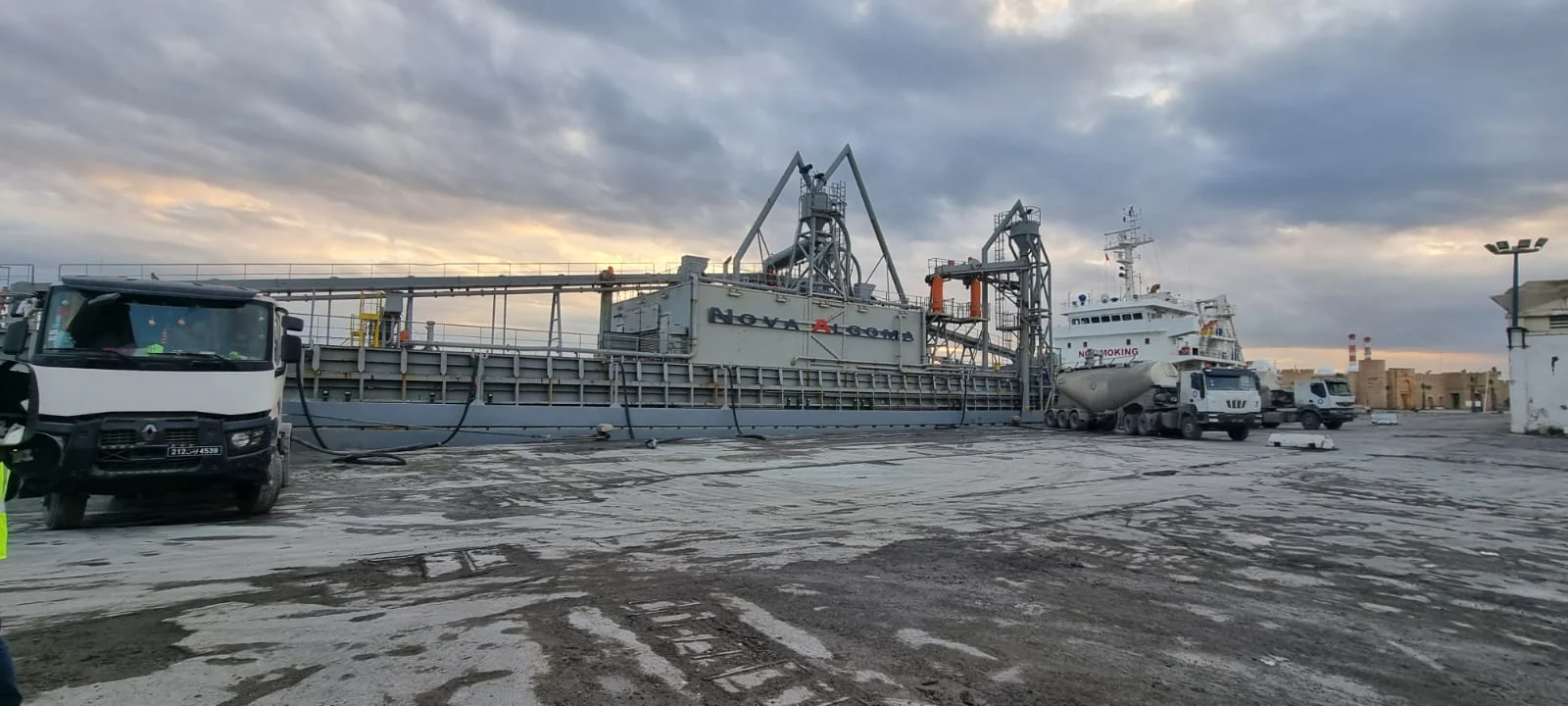
Importing into Ethiopia from Tunisia: Djibouti corridor, bank import permit and conformity
MWB TRADING offers importers, distributors and companies in Ethiopia products from Tunisia for power networks, buildings, water and industry: electrical cables and wires, transformers and MV/LV substations, LED lighting, pipes and fittings, pumps and generator sets, industrial raw materials. Goods leave from Radès (Tunis) or Sfax; our offers are made delivered to the port of Djibouti, on CFR or CIF terms, in full 20 or 40-foot containers, or as groupage for small volumes.
Ethiopia has no direct access to the sea: this guide sets out the verified points for importing there from Tunisia. It covers the Djibouti corridor and the dry ports, the importer’s formalities with the bank and customs, the foreign exchange regime reformed in July 2024, the certificate of conformity required for certain products and the tariff preferences to be checked. It also lists what to state in your enquiry.
port of arrival for most of Ethiopia’s external freight; the Berbera, Tadjourah and Mombasa corridors remain secondary
Rail · road · Modjo
onward transport by road or by the Djibouti–Addis Ababa electrified railway; the Modjo dry port receives most imports
Bank import permit
import licence and NBE account number; import permit issued by the importer’s bank, which also handles payment (letter of credit or documentary collection)
CoC · ECAE
certificate of conformity required for regulated products, including distribution transformers and generator sets
Radès · Sfax
our departure ports in Tunisia
CFR · CIF
offers delivered to the port of Djibouti, in 20 or 40-foot containers or as groupage for small volumes
Sources: Ethiopian Ministry of Transport and Logistics, reported by the APA news agency (August 2026), Ethiopian business press (February and August 2026), World Bank (May 2026), National Bank of Ethiopia (July 2024; January, May and July 2026), Ministry of Trade and Regional Integration (mandatory standards, 2025), ECAE and approved inspection bodies (2024 to 2026), Ethiopia’s 2025 regulation on AfCFTA tariff concessions, COMESA (2024 and 2026). Checked in October 2026; to be confirmed with your freight forwarder before each shipment.
PRODUCT RANGES
The ranges we offer for Ethiopia
These ranges from the MWB catalogue are available from Tunisia, delivered to the port of Djibouti; transport from Djibouti to Ethiopia is arranged with your freight forwarder. References, required standards and quantities are confirmed in each offer; several product families can be grouped in the same container.
Electrical cables and wires
Low and medium-voltage power cables, control cables, building wires and cables. State the cross-sections, lengths and the standard or specification required.
Distribution transformers and prefabricated MV/LV substations. State the rating, primary and secondary voltages and the type of installation; distribution transformers are among the products that need a certificate of conformity.
HDPE and PVC pressure pipes for water supply, PVC drainage pipes, PPR pipes and fittings for plumbing. State the diameters, pressure ratings and lengths.
Water pumps, motor pumps and generator sets, with the technical data sheet of each model and the voltage required on site. Generator sets are among the products that need a certificate of conformity.
Calcium carbonate, raw materials for paints, polymers and industrial chemicals for paint, plastics and detergent manufacturers. State the grade, the packaging and the safety data sheet required.
Importing into Ethiopia through the Djibouti corridor
Ports and routes
As a landlocked country, Ethiopia imports mainly through Djibouti, which handles most of its external freight; the Berbera, Tadjourah and Mombasa (via Moyale) corridors remain secondary. From Djibouti, goods reach Ethiopia by road, which carries the largest share of freight, or by the Djibouti–Addis Ababa electrified railway. Dry ports serve as entry points: Modjo, about an hour from Addis Ababa, is the main one and receives most imports. The state-owned Ethiopian Shipping and Logistics Services Enterprise (ESLSE) runs eight dry ports, including Modjo, and dominates multimodal transport; in early 2026, private multimodal operators were still obtaining their licences. Containers leave from Radès (Tunis) or Sfax, with transhipment depending on the shipping line; the route is confirmed in each offer.
Import documents
The importer must hold a commercial import licence and an account number with the National Bank of Ethiopia (NBE); since July 2026, new importers obtain this number through the customs electronic single window. This single window, which connects more than 70 institutions, allows all import formalities to be submitted online. The import permit is issued by the importer’s bank, which also opens the letter of credit; since 27 January 2026, banks have referred to the customs commission’s indicative prices for selected imported items. MWB prepares the commercial invoice, packing list, certificate of origin and technical data sheets.
Payment through the bank
Imports are paid through the importer’s bank, which issues the import permit and opens the letter of credit or handles the documentary collection. Foreign exchange rules were reformed in July 2024 and eased in 2026 for certain transactions: ask your bank to confirm the payment method and its timing before ordering.
Inspection and conformity
The Ministry of Trade and Regional Integration controls the quality of imported goods against Ethiopia’s mandatory standards; new mandatory standards have applied since 8 June 2025, notably to glass and aluminium products for construction and to paints. For regulated products, including distribution transformers, generator sets, motors and solar products, a certificate of conformity (CoC) is required: it is issued before shipment under the pre-export verification of conformity programme of ECAE, Ethiopia’s conformity assessment body, or, for some categories, by ECAE on the basis of documents, using accredited certificates or test reports. One of the approved inspection bodies has announced that it will stop this service on 1 November 2026, with consignments then liable to be checked at destination: ask your freight forwarder to confirm the current procedure before shipment.
What to specify
References and quantities, standards or certificates required, final destination in Ethiopia and intended dry port, import licence and bank permit already obtained or in progress, planned payment method and preferred Incoterm: CFR or CIF to Djibouti, or FOB on request.
Availability, transport, lead times and documents are confirmed in each offer.
YOUR ENQUIRY FOR ETHIOPIA
Let’s prepare your offer for Ethiopia.
State your products, quantities and final destination in Ethiopia. Ethiopia is already selected; you can change it.
Your questions about importing into Ethiopia from Tunisia
Which route do goods take to Ethiopia?
Through the port of Djibouti, which handles most of Ethiopia’s external freight. Goods then reach Ethiopia by road or by the Djibouti–Addis Ababa electrified railway, up to a dry port such as Modjo. Our offers are made delivered to the port of Djibouti; transit to Ethiopia is arranged with your freight forwarder.
How does an Ethiopian importer pay for imports?
Through their bank, which issues the import permit and opens the letter of credit or handles the documentary collection. Foreign exchange rules were reformed in July 2024 and eased in 2026 for certain transactions. The rules are changing: ask your bank to confirm the terms before ordering.
Is a certificate of conformity required?
Yes, for products regulated by Ethiopia’s mandatory standards, including distribution transformers and generator sets: a certificate of conformity (CoC) is issued under the ECAE programme, before shipment or, for some categories, on the basis of documents. The bodies and procedures are changing in 2026: check them with your freight forwarder. The technical data sheets are attached to our offer; if test reports or certificates are required, say so in your enquiry.
Do tariff preferences apply to Tunisian origin?
Not on a confirmed basis. Since 2025, Ethiopia has granted its AfCFTA duty reductions only to member countries on a list issued by the Ministry of Trade, on presentation of a certificate of origin; Tunisia’s inclusion has not been confirmed to date. Ethiopia and Tunisia are both COMESA members, but in 2024 Ethiopia had not yet completed its accession to the COMESA free trade area. Without a preference, the Ethiopian tariff applies, plus, depending on the product, a 10% import surtax and a 3% social development levy. Check with your freight forwarder; the certificate of origin is one of the documents prepared by MWB.
Can you group several products or ship a small volume?
Yes. Several product families can be grouped in the same 20 or 40-foot container, and small volumes can travel as sea groupage. For urgent small quantities, air freight from Tunis-Carthage can be considered on request.