
Bulk CEM I Portland cement
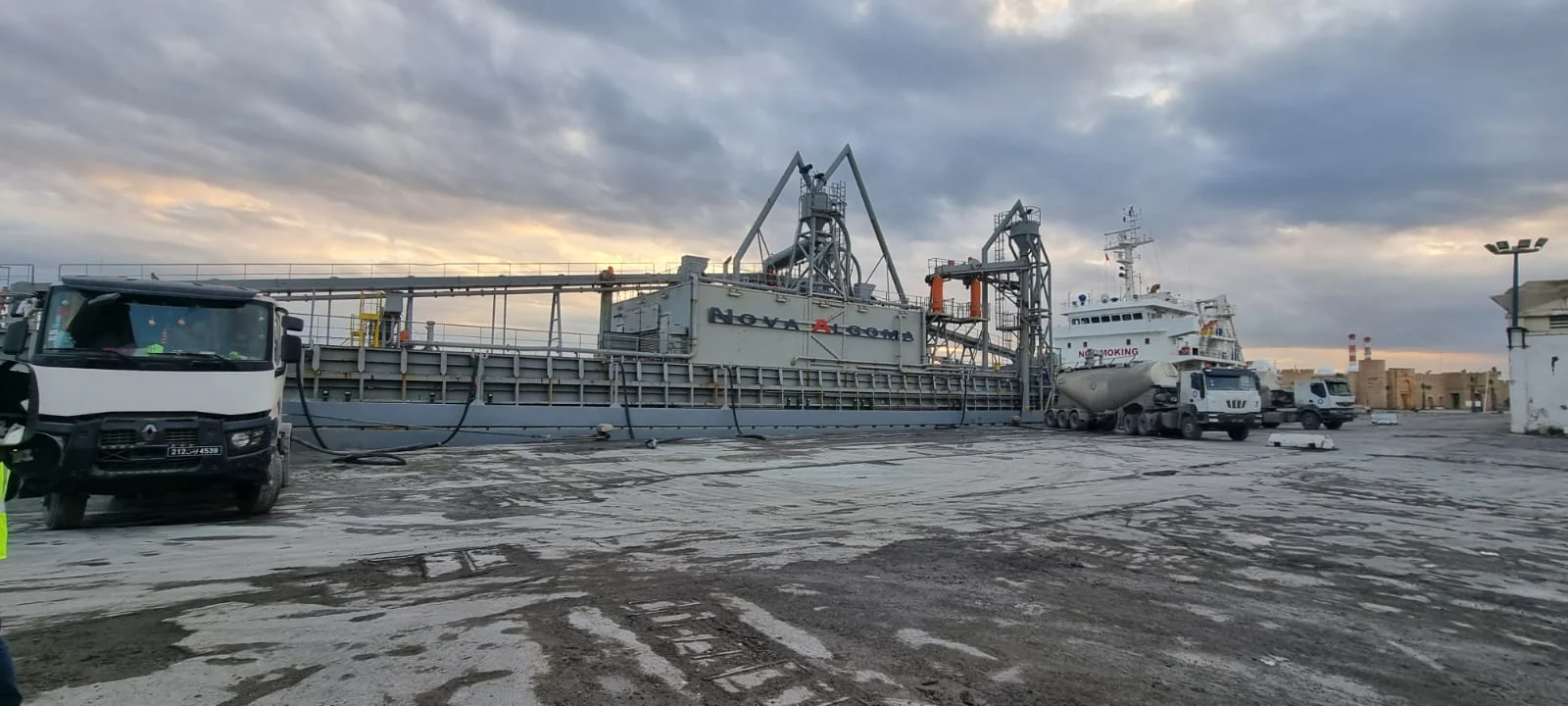
CEM I Portland cement loaded in bulk into the holds of bulk carriers at La Goulette, in strength class 42.5 R, and in 42.5 N in January 2022.
Grey and Portland cementMWB TRADING ships bulk CEM I Portland cement from Tunisia to Malta. From January 2022 to May 2024, we loaded regularly for Malta at the port of La Goulette (Tunis), in the holds of bulk carriers, for discharge at the port of Valletta.
This guide sets out the verified points for importing cement into Malta: the EUR.1 proof of origin, which gives access to the duty exemption under the EU–Tunisia Association Agreement, the EN 197-1 standard with the declaration of performance and CE marking, the Carbon Border Adjustment Mechanism (CBAM) in force since 2026, and the documents that accompany our loads. A public report shows a load at La Goulette in March 2022.
Sources: European Commission (EU–Tunisia Association Agreement, rules of origin, CBAM definitive regime, EORI number); EU–Tunisia Association Council decision of January 2025 on rules of origin; list of harmonised standards under the EU construction products regulation (EN 197-1); our export declarations and bills of lading, 2022 to 2024. Checked in October 2026; to be confirmed with your freight forwarder before each shipment.
MWB TRADING shipped cement regularly to Malta from January 2022 to May 2024, from La Goulette (Tunis) to the port of Valletta. The cement travels in bulk, in the vessel’s hold.
CEM I Portland cement loaded in bulk into the holds of bulk carriers at La Goulette, in strength class 42.5 R, and in 42.5 N in January 2022.
Grey and Portland cementFor Maltese building sites, these ranges are available from Tunisia, bagged or in rolls, in full containers or combined in the same load. Where a harmonised European standard covers them, these construction products must come with a declaration of performance and carry CE marking: state the standard and class you require in your enquiry.
Bagged white cement in 20-foot containers, for renders, joints, precast work and decorative applications. State the type and class under EN 197-1.
White cementTunisian bagged plasters for spraying, casting and moulding, including MEDGYP references, loaded in 20-foot containers.
Plaster and casting fibres MEDGYP plasterBituminous membranes in rolls for flat roofs, and bagged tile adhesives, in a full container or with other product families in the same load.
Waterproofing membranes Tile adhesivesThe public report for Malta: a load of CEM I 42.5 Portland cement in bulk at La Goulette, in March 2022.
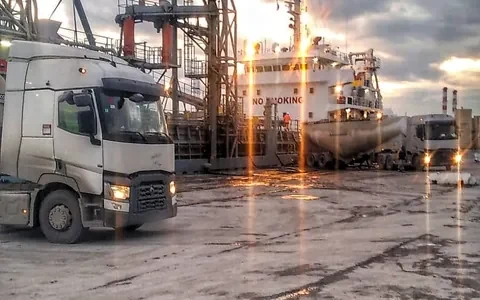
Bulk Portland cement CEM I 42.5: loaded on a vessel at La Goulette for Malta in March 2022.
View the reportOur vessels for Malta loaded at the port of La Goulette (Tunis), and all our bills of lading name the port of Valletta for discharge. Malta also has the port of Marsaxlokk, home to the Malta Freeport container terminal.
Bulk cement in the hold of bulk carriers. The loaded weight, stated on the bill of lading and declared to customs, is measured by draft survey.
Malta applies European Union customs rules: the importer needs an EORI number, which is required for customs clearance. Cement of Tunisian origin is exempt from customs duty under the EU–Tunisia Association Agreement, on presentation of an EUR.1 movement certificate or, where allowed, an origin declaration, both valid for ten months. Our files for Malta include the bill of lading, the EUR.1 certificate, the cement’s certificate of analysis, its declaration of performance and its safety data sheet.
Common cement falls under the harmonised European standard EN 197-1: it is placed on the market with a declaration of performance and CE marking, under assessment system 1+, with certification by a notified body. Since 1 January 2026, cement has also been covered by the definitive regime of the Carbon Border Adjustment Mechanism (CBAM): above an annual mass threshold, the importer must be an authorised CBAM declarant, declare embedded emissions each year and surrender the corresponding certificates, bought from the national competent authority.
Cement type and class (CEM I 42.5 R or 42.5 N), quantities and loading schedule, port of discharge, required quality documents and the emissions data you need for your CBAM declaration.
Availability, transport, lead times and documents are confirmed in each offer.
State the cement type, tonnage and port of discharge. Malta is already selected; you can change it.
Chat on WhatsAppBulk CEM I Portland cement, loaded at La Goulette, in strength class 42.5 R, and in 42.5 N in January 2022. CEM I falls under the European standard EN 197-1.
No, provided it comes with a proof of origin: the Association Agreement between the European Union and Tunisia, in force since 1998, exempts trade in industrial products from duty. The proof is an EUR.1 movement certificate or, where allowed, an origin declaration; since 2025, more flexible transitional rules of origin may also apply. CBAM, however, has applied since 2026.
Since 1 January 2026, cement has been covered by the definitive regime of the Carbon Border Adjustment Mechanism. Above an annual mass threshold, the importer must apply for authorised CBAM declarant status before importing, then declare embedded emissions each year and surrender the corresponding certificates, for the first time by 30 September 2027. Actual, verified emissions from the plant or default values may be declared: state in your enquiry which data you need.
The bill of lading, the EUR.1 movement certificate, and the cement’s certificate of analysis, declaration of performance and safety data sheet. Tell us which documents your import authority requires.
By draft survey: this is the weight stated on the bill of lading and declared to customs. The schedule for each load is agreed with you in the offer.
All our bills of lading for Malta name Valletta. For another port, state it in your enquiry: feasibility depends on the vessel and the discharge facilities.
Let’s talk on WhatsApp: send us your product references, purchasing list or project details.